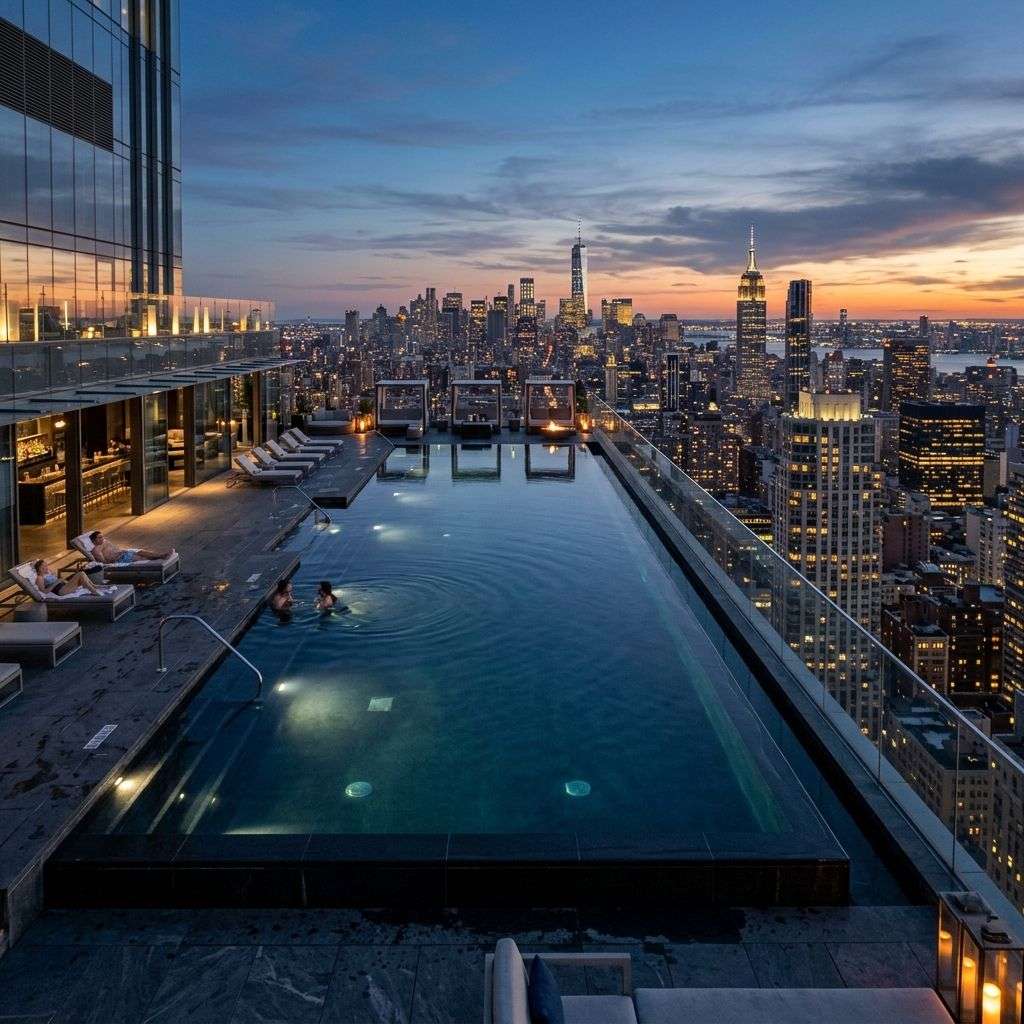
Brisbane and much of SEQ sits on black-soil reactive clays classified H1 or higher under AS 2870. These soils expand dramatically when wet and contract when dry, generating ground movement of 30-60mm vertically between seasons. For a commercial pool founded on poorly-engineered slab, this movement cracks structural shells, breaks tile grout, and can separate concrete copings. Proper engineering eliminates the risk — but it starts at geotechnical investigation, not at construction.
Understanding Reactive Clay Behaviour
Reactive clay volume changes depend on water content. In SEQ's climate — wet subtropical summers, drier winters — annual moisture cycling drives 30-60mm of seasonal vertical movement. If a pool shell is anchored to ground that moves 50mm while the coping and deck move 20mm, differential strain develops in the connection detail, eventually cracking it.
AS 2870 categorises soils H1 (highly reactive), H2 (very highly reactive), and E (extremely reactive). Inner Brisbane — CBD, New Farm, West End — is generally H1-H2. Outer Brisbane and Ipswich growth corridors can be H2-E.
Pier-and-Beam Foundation
For pools on reactive ground, we use deep pier-and-beam foundations that transfer pool load to stable substrate below the reactive zone — typically 3-5m depth. The pool shell sits on a structural beam network supported by piers, isolated from the surface clay movement.
The coping and surrounding deck are structurally independent, allowing the clay to move beneath them without stressing the pool shell connection. Deck expansion joints are specified at 4-6m intervals to accommodate seasonal movement.
Pool Shell Structural Specification
Commercial pool shells in reactive ground require:
- Monolithic shotcrete (no cold joints)
- Reinforcement at 200mm centres both directions (standard residential is 300mm)
- Post-tensioned concrete for vessels over 100 m³
- Crack-control additives in the concrete mix
- Structural engineering review at geotechnical stage
What Happens When It's Skipped
Budget commercial pool builders sometimes save 15-25% on foundation cost by using slab-on-grade construction in reactive ground. The first cracks appear within 18-24 months. By year 3-4, tile grout has failed in multiple areas and visible shell cracks require major repair. By year 5-7, total shell reconstruction is typically required.
We've been called to assess dozens of these failures across SEQ over the last decade. The original cost saving is typically 5-10 times the eventual remediation cost.
Conclusion
Every Brisbane and SEQ commercial project we deliver includes geotechnical investigation at Stage 01 and pier-and-beam engineering where reactive soils dictate it. Our feasibility memos call out soil classification and foundation premium upfront.