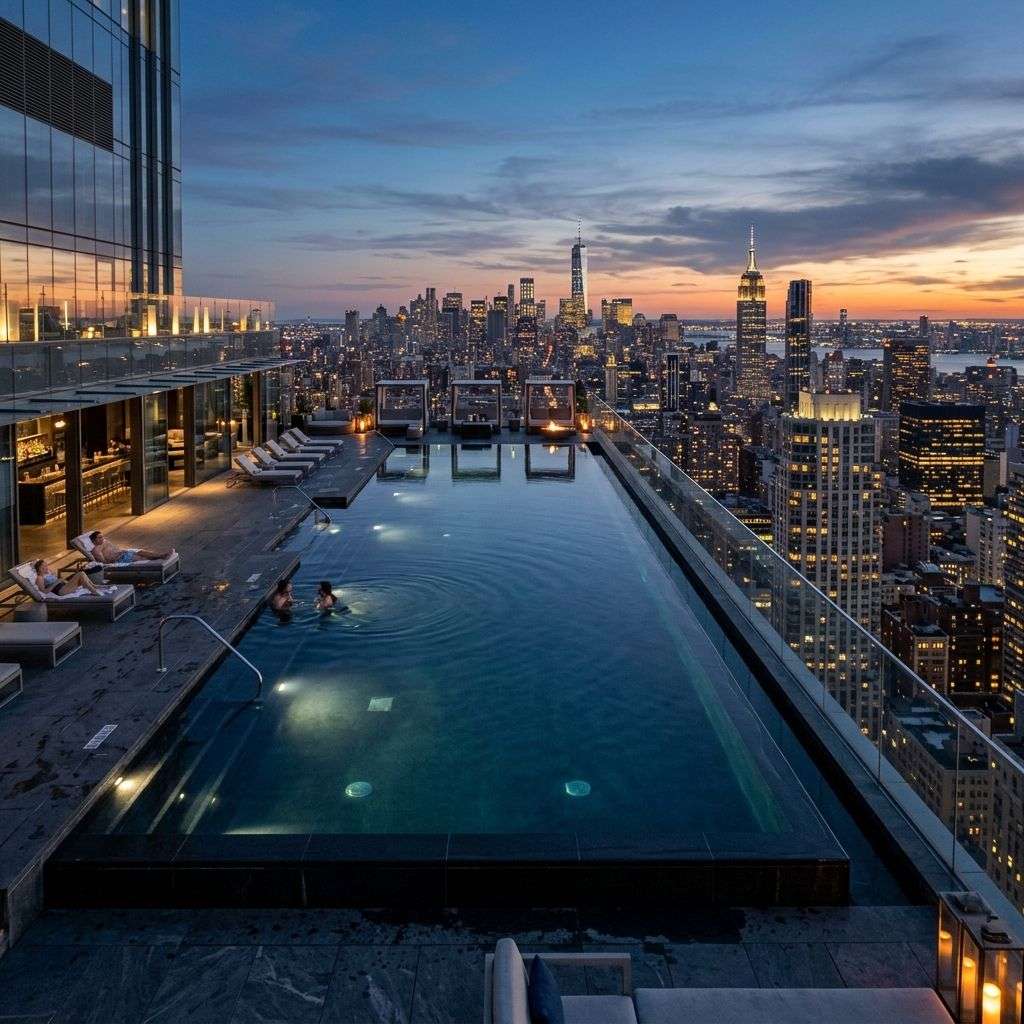
The market for elite-athlete rehabilitation hydrotherapy pools has grown significantly across Australia as sports institutes, defence rehabilitation centres, and specialist sports medicine groups invest in evidence-based recovery infrastructure. These vessels are not leisure pools with slightly higher temperature — they are clinical-grade facilities with exacting specifications that standard commercial pool builders cannot deliver.
Temperature Control to Clinical Standard
Hydrotherapy is typically conducted at 34°C (±0.2°C tolerance) — warm enough for muscle relaxation without inducing elevated core body temperature over treatment duration. Maintaining this tolerance against heavy athletic bather load (up to 8 athletes simultaneously, generating significant heat) requires titanium heat exchangers with fast response times.
Standard copper heat exchangers fail within 3-5 years due to galvanic corrosion from aggressive chlorine chemistry at elevated temperatures. Titanium is more expensive upfront but carries a 20-year operational life.
Underwater Treadmill Integration
Modern hydrotherapy vessels often include underwater treadmills (Hudson Aquatic, AquaCiser) integrated into the pool floor. This requires:
- Structural mount decoupled from pool shell (vibration isolation)
- Water-resistant electrical service via conduit to shore-side control
- Anti-slip treadmill surface rated for wet-environment use
- Handrails flanking the treadmill at appropriate heights
- Variable depth capability for graduated rehabilitation protocols
Clinical-Grade Water Quality
Hydrotherapy pools are often used by athletes with active injuries, surgical sites, or compromised skin integrity. Water quality must exceed typical commercial standards. Our specification uses:
- Primary chlorine sanitisation with automated dosing
- Secondary ozone treatment for organic load destruction
- UV tertiary treatment for pathogen control
- Fine media filtration (glass or DE, not sand)
- Continuous water-quality telemetry with automated shutdown on parameter drift
DDA and Clinical Access
Sports rehabilitation hydrotherapy serves athletes with varying mobility. Full DDA compliance is standard — zero-depth entry, ramp access, grab rail systems, and patient-hoist compatibility. Additional provisions include one-to-one physiotherapist attendant positions within the pool envelope.
Conclusion
Our training pools and hydrotherapy services deliver this clinical specification as standard — not as an optional upgrade. Our Elite Athlete Rehab Tank case study demonstrates the methodology end to end.